
“Let’s just go Milkbox with it”
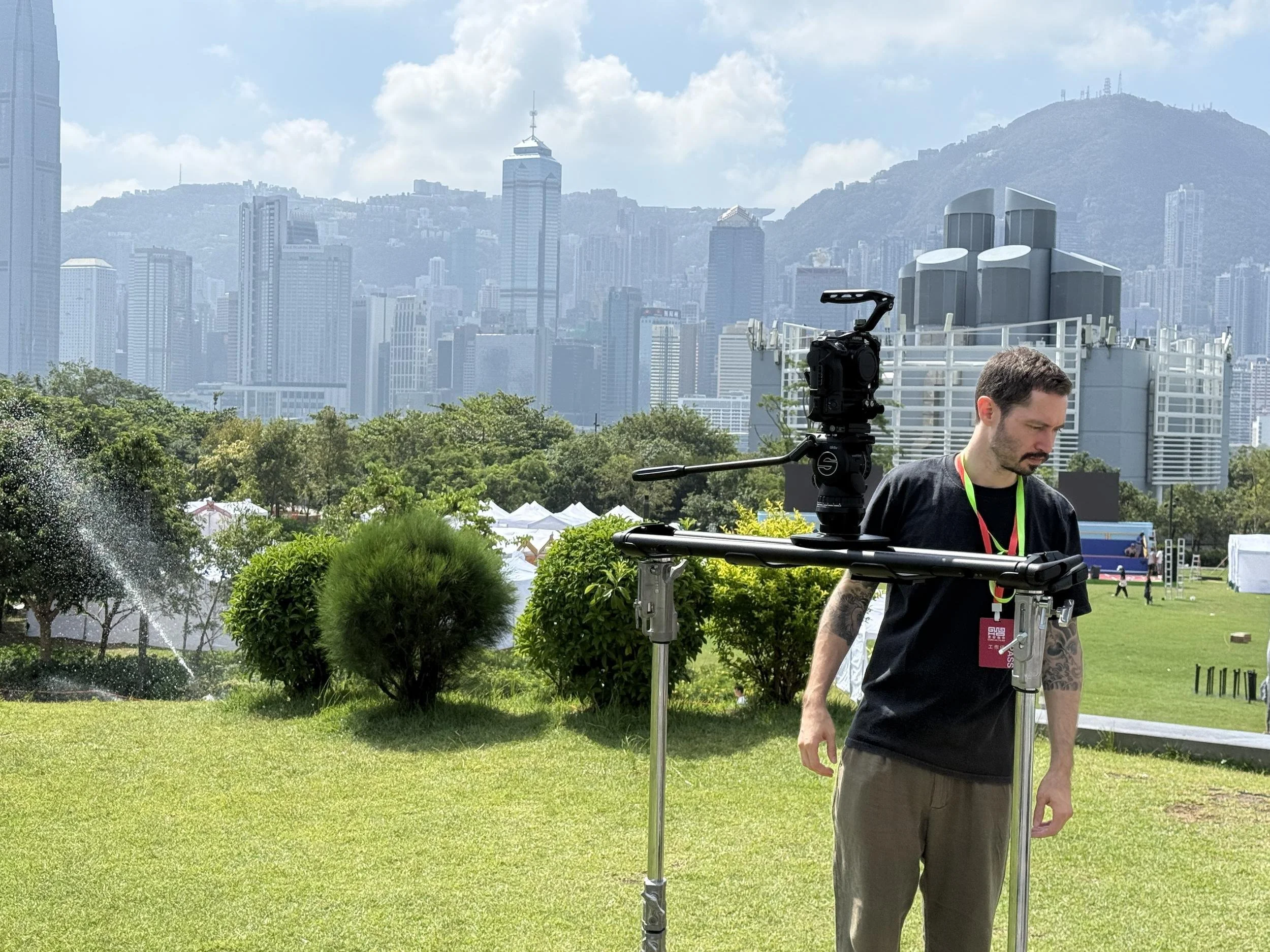
The formula behind the films, built on trust
Sit a Milkbox crew down in a room they’ve never been in before, hand everyone a camera, and within a few minutes someone will say it: let’s just go Milkbox with it. It’s shorthand: a recipe the team has run so many times that everyone already knows the ingredients by heart. We sat down with Milkbox Director of Photography Zac Mills last fall to find out what’s actually in the Milkbox.
Run and gun, by design
Ask Zac how a Milkbox shoot works and the first thing he’ll tell you is how loose it is, but that’s a direct result of meticulous preparation and planning.
“For Milkbox stuff, everybody’s got a camera. We all show up, we’re all kind of shooting, run and gun, pretty loose. We do interview setups, but we’ll walk into a room for the first time and go, ‘All right, this looks pretty good.’ Despite how much we plan and prep and scout, a large percentage of it is discovery on the day.”
The planning gets the crew in the room; what they find once they’re there is what gives the work its unique energy. Zac points to the Red Boat shoot in Vietnam, meticulously conceived but alive with a spontaneous, almost documentary energy in the final cut.
“That’s why Milkbox stuff has more of a docu-style feel, and feels more whimsical. Because we’re so nimble.”
The recipe
The “formula” isn’t a rigid rulebook. It means trusting everyone on the team to improvise and innovate on the spot, in a way that makes the results even better.
It’s the move the crew reaches for even when a space is fighting them.
“It’s shorthand now for how to set up a shot. When we get into a space that’s particularly difficult, and we’re kind of bumping our heads against the wall, it’s become shorthand to say: ‘Let’s just go Milkbox with it,’ because we know it works. We’ve done it enough that we know how to get all the ingredients.”
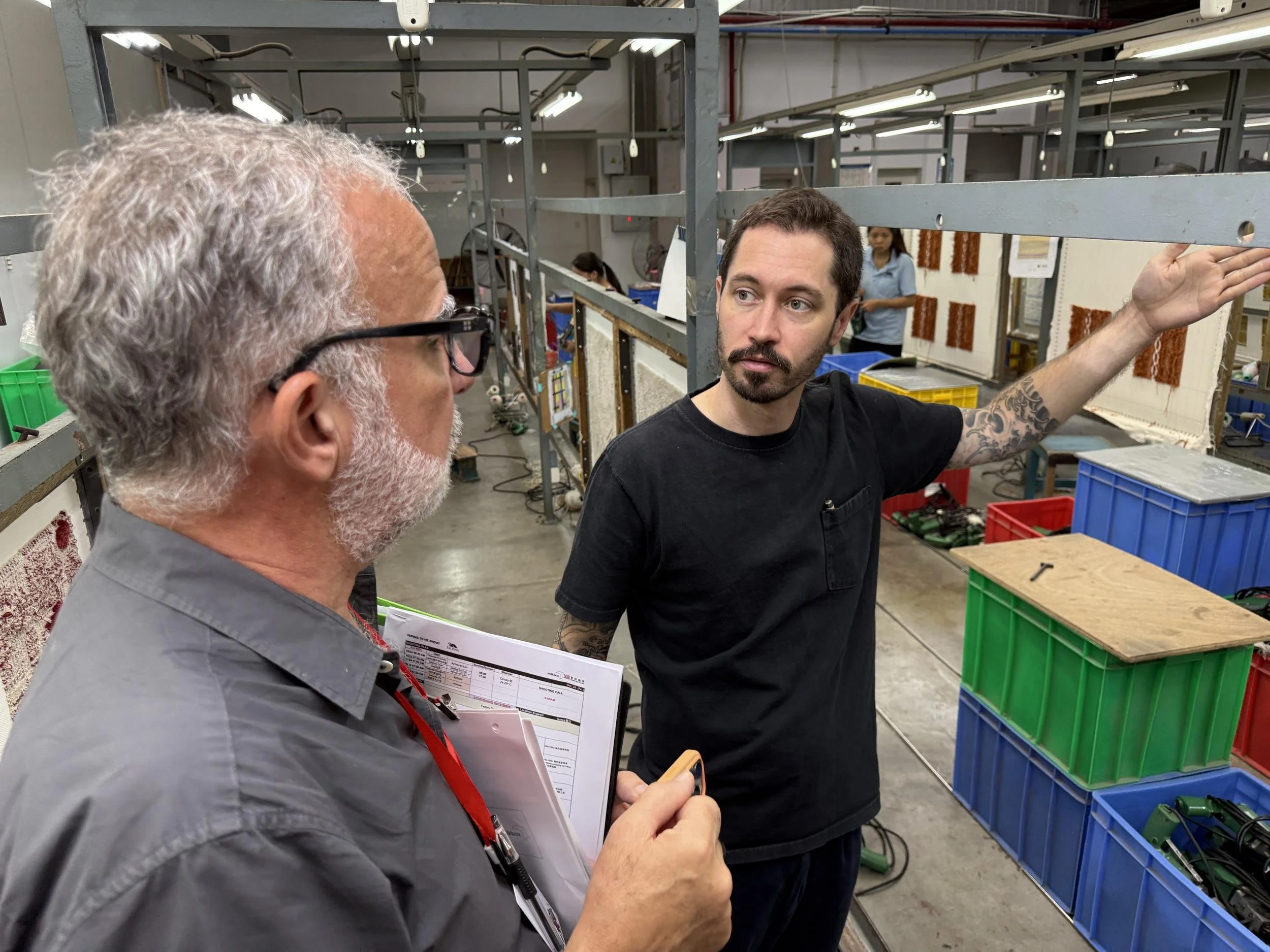
His favorite way to describe the formula is as if it were a delicious meal:
“If I needed to get a bunch of ingredients to make a meal, the meal being the Milkbox formula, the ingredients would be some sort of heroic wide shot of a person, sitting or standing, usually against a window.”
From there, the plates come out in order: a heroic wide shot, a tighter portrait of the face, whimsical shots of the hands, close-ups of the mouth and the eyes, and observational, transitional pieces shot with an almost childlike curiosity. And underneath all of it, the thing that makes a Milkbox film feel like a Milkbox film:
“Anything textural, tactile, them actually doing something with their hands, the materials that are used, really tight shots. Those are the ingredients.”
Why it works: no video village
Plenty of agencies shoot with a “video village”: a bank of monitors fed by every camera, ringed by chairs and a coffee machine, where clients watch and weigh in on each frame. Milkbox usually doesn’t.
“It [the video village] certainly slows things down, and it can dilute the end result. A lot of those pieces end up just feeling like commercials, more than the human, down-to-earth, docu-style ad that Milkbox makes.”
Clients let the crew chase the in-between moments because the crew has earned their trust. That trust is what keeps the work nimble, and the nimbleness is what keeps it human.
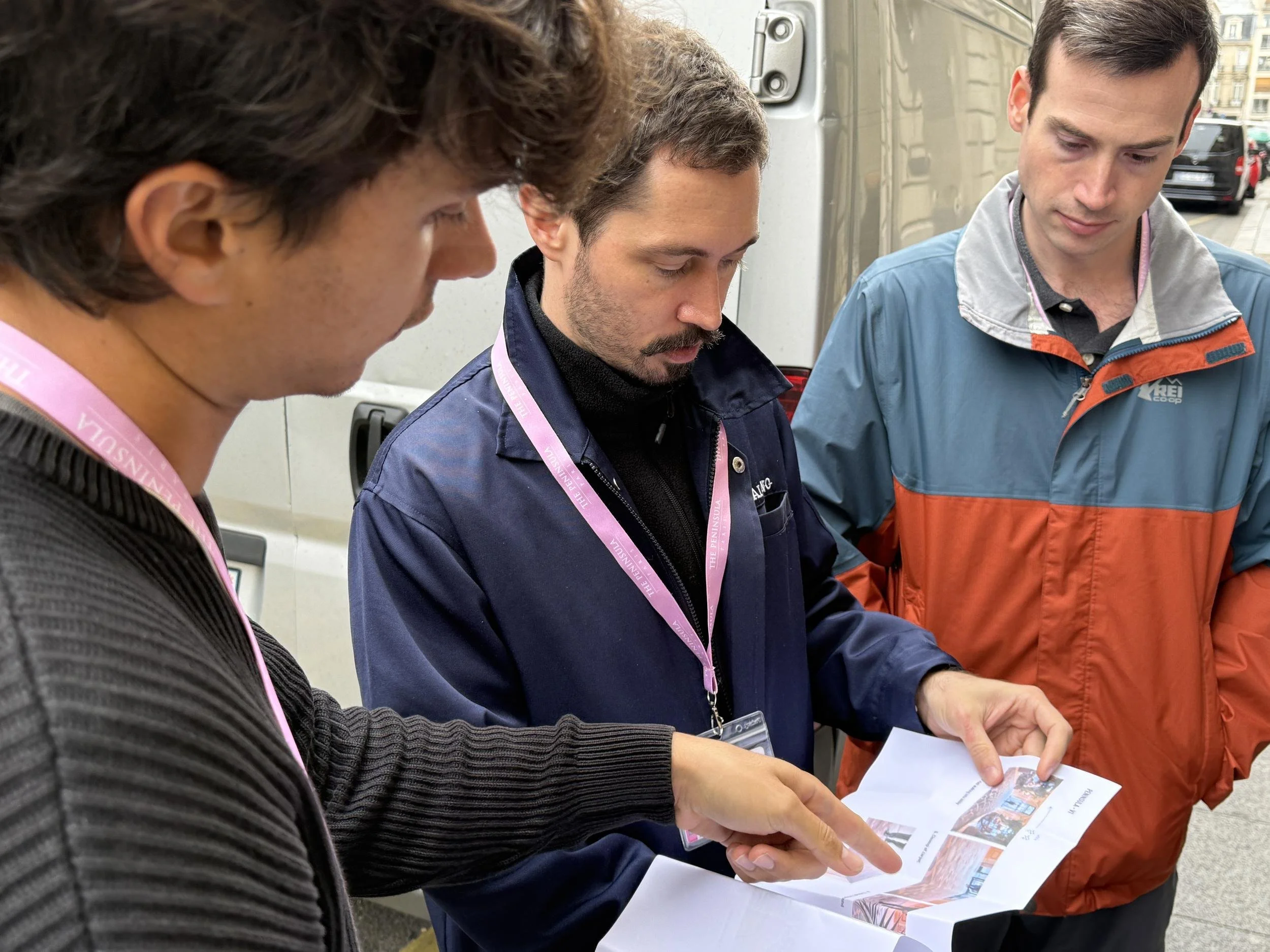
A case study: the desert as main character
The clearest proof is the Black Desert Resort (BDR) shoot: one of the larger videos that Milkbox had taken on at that time, a full grip-and-electric team and lighting package. BDR ultimately proved to be an invaluable dry run for the Tai Ping world tour to come. At BDR, a lesser crew would have sold the luxury. Milkbox sold the opposite.
“The whole idea for BDR was like an ego rinse.”
Instead of highlighting the resort’s grandeur, which would have obscured the desert backdrop, Milkbox focused on the human experience of feeling minuscule against a vast desert. So the desert never left the frame:
“The desert was the main character, basically. We always wanted to see outside.”
Even the interiors kept the landscape visible. The team worked carefully to shoot with depth instead of flat silhouettes against the brilliant desert light, so you never forgot where you were.
At the BDR shoot, “going Milkbox with it” scaled up from a tight shot of someone’s hands to an entire desert extending as far as the eye can see.
And then came China
When we spoke, the Tai Ping trip was still ahead, Milkbox’s biggest shoot, one that literally circled the globe. It was critical that each day was planned shot-for-shot, because the crew had a specific story to tell, like the historic Tai Ping tent recreation that’s become part of company lore.
Zac was especially excited about the lighting:
“Big boy lights,” the kind that need generators and massive stands, chasing an “artificial sunlight” look a long way from a couple of household fixtures.
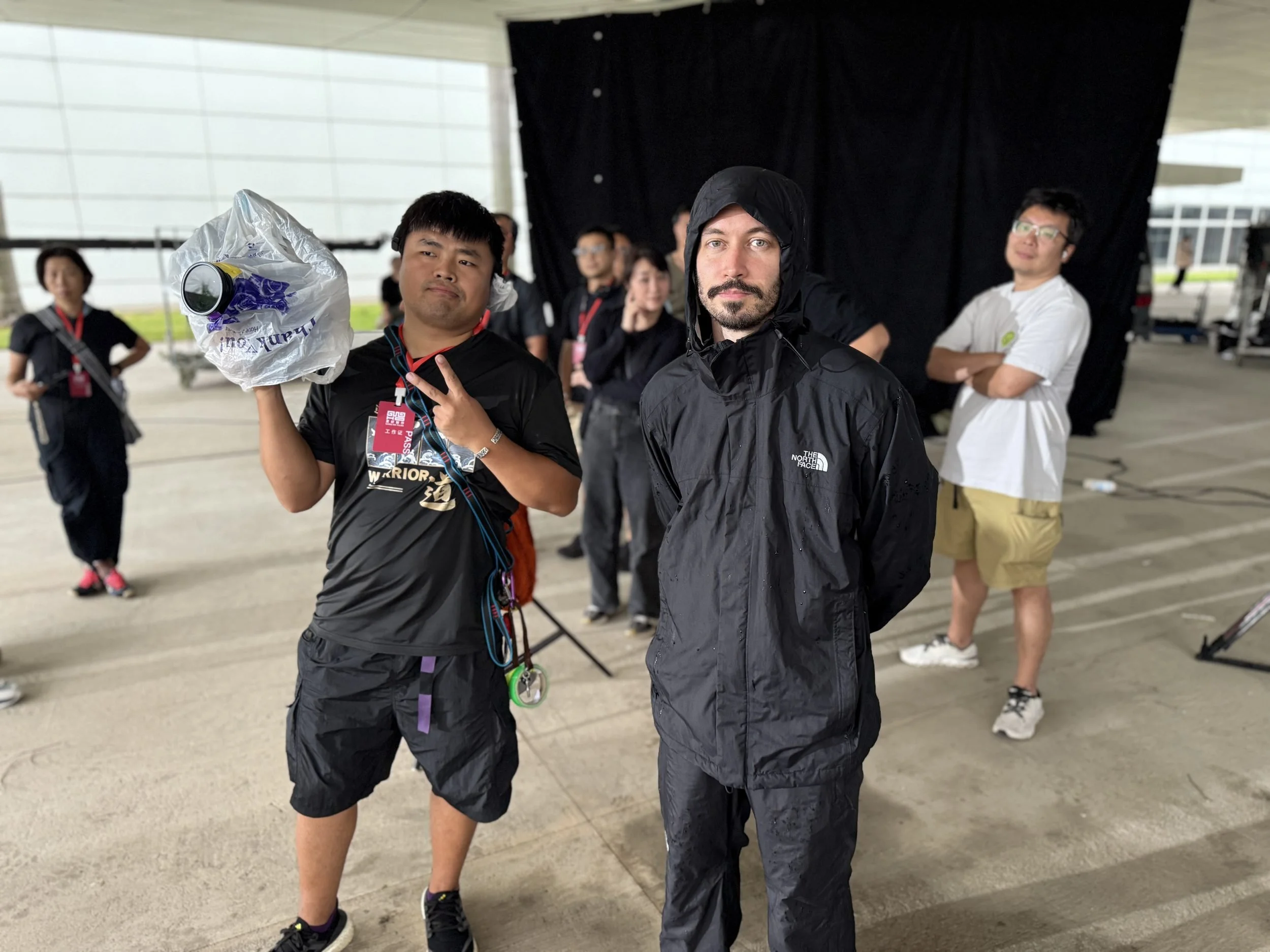
The crew has since been and come back, and you’ve seen the results across our feed. There you can see how “going Milkbox” travels around the world. All of the meticulous planning was never a constraint, but a shared language that frees everyone on the team to capture the moments you can’t plan.
When in doubt, go Milkbox with it.